The Hard Truth About Link Building in 2026
Most link building advice online was written for a Google that no longer exists.
Buy links? Google's SpamBrain AI catches them at scale. Guest post on every DR40+ site that accepts pitches? Google devalued templated guest posting in multiple updates. Build a PBN? Watch your entire domain disappear from the index.
Here is what actually changed, and what the link building strategies 2026 landscape looks like for sites that want to rank without getting penalised.
Table of Contents
- What Changed in Link Building (2024–2026)
- What Works vs What Doesn't in 2026
- The 2026 Link Building System (6-Step Framework)
- Strategy 1: Digital PR and Brand Mentions
- Strategy 2: Free Tools as Passive Link Magnets
- Strategy 3: Topical Authority and Content Clusters
- Strategy 4: Relationship-First Outreach (With Real Templates)
- Strategy 5: Skyscraper 2.0, The Updated Playbook
- Strategy 6: Broken Link Building
- How to Build Links Without Outreach
- Link Building Mistakes That Kill Rankings in 2026
- Link Building Tools Compared
- How to Audit Your Backlink Profile
- FAQ
- 90-Day Link Building Checklist
What Changed in Link Building (2024–2026)
If you haven't updated your link building strategy in the last 18 months, you're likely burning budget on tactics that no longer move rankings.
Here are the four shifts that matter most:
Shift 1: Google Treats Links as One Signal Among Many
Links have not lost importance. But Google's algorithm is now sophisticated enough to triangulate authority from multiple sources simultaneously, brand search volume, entity mentions (even without links), E-E-A-T signals, user behaviour on the page, and topical depth. A site with 50 genuinely earned editorial links from relevant publications now outranks a site with 500 manufactured links from generic blogs.
The implication: link quantity is nearly worthless. Topical relevance and domain legitimacy are everything.
Shift 2: Brand Signals and Unlinked Mentions Are Real Ranking Factors
Google confirmed through the DOJ antitrust case documents and subsequent leaks that brand search volume, brand co-citations (your brand name mentioned near relevant keywords), and entity authority all factor into rankings independently of backlinks.
This means a mention in Forbes with no link, a brand co-citation, carries real value in 2026. Chasing only dofollow links while ignoring brand building is a strategic mistake.
Shift 3: SpamBrain AI Catches Paid Links at Scale
Google's SpamBrain AI model now detects link buying patterns across publishing networks, not just individual transactions. Sites that sold links at scale have been deindexed. Sites that bought those links have been penalised. The black market for "niche edits" and DR-based link packages is less effective than at any point in the last decade.
Shift 4: AI Search Changed the Value of Traffic, Not Links
AI Overviews answer informational queries directly in the SERPs. This reduces organic traffic to some content pages. But here is what AI Overviews regularly cite as sources: high-authority sites with strong backlink profiles. So link building now serves two goals simultaneously, ranking in traditional SERPs and being cited in AI-generated answers.
The sites winning AI citations are exactly the same sites winning traditional rankings: editorially authoritative, topically comprehensive, well-linked.
What Works vs What Doesn't in 2026
| Tactic | Status in 2026 | Why |
|---|---|---|
| Digital PR / Original Data Studies | Works exceptionally well | Earns editorial links from real publications; brand signal bonus |
| Free Tools (passive link magnets) | Works exceptionally well | Earns links indefinitely without ongoing outreach |
| Topical authority content clusters | Works exceptionally well | Signals expertise depth to Google; supports internal link equity |
| HARO / Journalist sourcing platforms | Works well | Free access to live editorial opportunities |
| Relationship-based guest posting | Works selectively | Quality + relevance threshold is high; scale triggers penalties |
| Skyscraper Technique (with better content) | Works with effort | Requires genuinely superior content, not just longer content |
| Broken link building | Works as a supporting tactic | Lower ceiling, but solid conversion rate on quality outreach |
| Link reclamation | Works immediately | Recover links you've already earned but lost |
| Generic directory submissions | Mostly wasted effort | Near-zero PageRank passed; not worth prioritising |
| Templated guest posting at scale | High risk / low reward | Pattern-matched by Google; triggers manual review |
| Paid links (non-disclosed) | Active penalty risk | SpamBrain AI detects purchasing patterns across networks |
| PBNs | Dead for most sites | Deindexation risk; links disappear instantly when caught |
| Exact-match anchor text manipulation | Penalty trigger | Unnatural anchor ratios are a red flag in any link audit |
The 2026 Link Building System (6-Step Framework)
Stop thinking about link building as a tactic you run occasionally. The sites that build durable backlink profiles treat it as a system, a recurring process with defined inputs, actions, and metrics.
Here is the six-step framework:
Step 1, Audit your baseline. Before building, know exactly where you stand. Pull your referring domain count, topical distribution of links, anchor text ratio, and your strongest linked pages. This takes 30 minutes and tells you where to focus first.
Step 2, Identify your link gap. Use a competitor backlink gap tool (Ahrefs, Semrush) to find sites linking to two or more competitors but not to you. These are pre-qualified prospects, they already link to content in your niche. Sort by Domain Rating and prioritise the top 50.
Step 3, Build one linkable asset per quarter. One data study, one free tool, one definitive guide. Every quarter. This creates a reason for people to link to you that doesn't require aggressive outreach.
Step 4, Run a monthly HARO sprint. Respond to three to five relevant journalist queries per week. This takes under an hour weekly and earns the kind of editorial links that are otherwise extremely difficult to acquire.
Step 5, Run a focused outreach campaign monthly. Target 20 to 30 highly relevant sites per month with personalised outreach for your latest linkable asset. Do not email 500 sites with a template. Email 20 sites with a reason.
Step 6, Track, disavow, repeat. Monthly: check new referring domains in Google Search Console. Quarterly: full backlink audit to catch toxic links accumulating. Annually: full competitive gap analysis.
This system, run consistently for 90 days, moves more than six months of ad hoc link buying.
Strategy 1: Digital PR and Brand Mentions
Digital PR is the highest ceiling link building strategy available in 2026. A single placement in a major national publication can deliver the link equity that 200 generic guest posts would struggle to match, and it builds brand authority simultaneously.
What Journalists Actually Link To in 2026
The bar has risen sharply. Press release drops and "thought leadership" pitches are ignored. What gets coverage:
- Original data with a news hook. "We analysed 10,000 websites and found that 63% have at least one broken internal link." That's a story. "Here are some SEO tips" is not.
- Reactive expert commentary on a breaking story. When a major Google algorithm update drops, publications need an expert quote within 48 hours. Being the person who responds fast with a precise, quotable take earns bylines and links.
- Tools that make abstract data concrete. Calculators, estimators, audit tools, anything that turns a complex topic into an instant personalised result. Journalists embed these as resources in long-form coverage.
- Contrarian or counterintuitive data points. "Despite all the AI coverage, human-written content still earns 3x more backlinks than AI-generated content" is a more compelling headline than "content quality matters."
How to Pitch (The Structure That Gets Responses)
Most PR pitches fail in the first sentence. Here is the structure that actually gets read:
Subject line: Lead with the data point, not your brand name.
"New data: 71% of UK SMBs abandoned their first AI tool within 60 days (+ why)"
Opening line: The news angle in one sentence.
"We surveyed 500 small business owners about their AI tool adoption and found a dropout rate that challenges the industry narrative."
Body (3 sentences max): Why it matters to their audience, what the data shows, and a link to the full study.
Closing: Offer to send the full dataset or schedule a quick call.
Total length: under 150 words. Journalists receive hundreds of pitches daily. If your pitch requires more than 90 seconds to understand, it gets deleted.
Using HARO and Alternative Platforms
Help a Reporter Out (HARO), now Connectively, sends three daily emails with journalist queries seeking expert sources. Respond to five relevant queries per week. A 10% hit rate earns two to three editorial links monthly from a single hour of weekly effort.
Alternatives worth monitoring: Qwoted, SourceBottle, Featured.com.
The response formula that gets selected:
"I've [specific relevant experience]. In my experience, [direct answer to their question in 2–3 specific sentences]. Happy to expand or provide additional data points if useful, [your name, title, and one-line credential]."
Keep responses under 150 words. Be the most useful source in their inbox, not the most verbose.
Strategy 2: Free Tools as Passive Link Magnets
This is the single highest-ROI link building investment a content site can make, and it is chronically underutilised by sites that stick to blog-only strategies.
Here is the mechanism: you build a free tool that solves a real, recurring problem. People discover it through search or word of mouth. They find it useful. They share it, embed it in their own articles, include it in resource roundups. The links accumulate indefinitely, without any outreach.
What Makes a Tool Link-Worthy
The tools that attract links share four characteristics:
- Solves a problem that recurs. Not a one-time calculation, something people return to weekly or monthly.
- Works instantly, with no sign-up. Every friction point kills sharing. No account required, results in seconds.
- Produces output worth sharing. The result should be personalised, specific, and actionable enough that someone would screenshot and share it.
- Mobile-friendly. Over half of tool discoveries happen on mobile.
The ToolsNest SEO tools are designed around this model. The SEO Audit Tool earns links naturally because it solves a real problem (instant technical audit on any URL) with zero friction (no sign-up, results in five seconds). The Keyword Density Checker, Meta Tag Generator, Readability Checker, Character Counter, and Robots.txt Generator all follow the same model.
The Tool Creation Shortcut
You do not always need to build a net-new tool. Look at existing tools in your niche that require sign-up, are slow, or have confusing UX. Build a cleaner, faster, friction-free version. You inherit the existing search demand and outperform the existing tools on user experience, a natural link magnet.
Promoting Your Tool at Launch
The first 30 days determine the tool's link trajectory. At launch:
- Submit to Product Hunt for visibility and potential top-of-day links
- Post in relevant Reddit communities (r/SEO, r/webdev, r/marketing) with a genuine use case, not a sales pitch
- Email any journalists or bloggers who have previously covered similar tools, not to ask for a link, but to say "we built something you might find useful for your readers"
- Include the tool prominently in your most-linked blog posts as a natural internal resource
Once the tool has been live for 90 days, check who is linking to similar tools using a competitor backlink analysis. Those are your warmest outreach targets.
Strategy 3: Topical Authority and Content Clusters
Google does not just evaluate individual pages anymore. It evaluates whether your entire site demonstrates genuine depth on a topic.
Topical authority means: for a given subject area, does your site cover it comprehensively enough to be considered a reliable, expert source? Sites with high topical authority rank for competitive keywords in their niche even when their link profile is not exceptional, because Google has enough signals to trust their expertise.
How to Build a Topical Authority Content Cluster
A content cluster has three components:
Pillar page: A comprehensive, definitive guide to the main topic. Long, deep, authoritative. For example: "The Complete Guide to Link Building", a 5,000+ word resource covering every angle of the topic.
Cluster pages: Focused articles targeting specific sub-topics and long-tail keywords that feed into the pillar topic. Examples: "What Is Domain Authority?", "How to Do Broken Link Building", "HARO Link Building Guide", "How to Write a Link Building Outreach Email."
Internal linking: Every cluster page links to the pillar with keyword-rich anchor text. The pillar links to every cluster page. This creates a web of topical signals that tells Google: "This site owns this topic."
Why Topical Authority Matters for Link Building Specifically
When you have strong topical authority in a niche, other sites in that niche are more likely to link to you as the authoritative source. You become the default citation for your topic, the Wikipedia effect for your niche.
This is compounding. The more cluster content you publish, the more links you earn, the stronger your authority becomes, the easier new content ranks.
Build a content cluster map before you write another blog post. Identify your pillar topic, list 15 to 20 sub-topics worth covering, and publish them consistently over three to six months. Pair each post with a proper on-page SEO audit to ensure every piece is technically sound before internal linking to it.
Strategy 4: Relationship-First Outreach (With Real Templates)
Spray-and-pray link outreach is not just ineffective in 2026, it actively damages your domain's email reputation through spam complaints.
The model that works is relationship-first: you build a real connection with someone before you ask for anything. This sounds slow. In practice, the conversion rate is 5–10× higher than cold templates, which means you need to contact far fewer people to earn the same number of links.
The Three-Touch Relationship Model
Touch 1 (week 1–2): Engage genuinely before the ask. Comment on their content, share their work on social, mention them in your own piece. Do this because their content is actually good, not as a calculated setup.
Touch 2 (week 3): Send a brief, warm introduction, not a link request. Just acknowledge you've been following their work and share one specific thing you found valuable. No ask at all.
Touch 3 (week 4–5): The outreach. Now you're not a cold email. You're someone they've heard from before.
Real Outreach Templates
Template 1, Skyscraper / Resource Update
Subject: Updated resource for your [topic] guide
Hi [Name],
I was reading your [specific article title], the section on [specific detail] is genuinely useful, and I've seen you cited in several discussions on [topic].
I recently published an updated guide that covers [specific angle they don't cover], including [specific data point or original element]. Given that [their article] is from [year], thought it might be worth a look as a potential resource for your readers.
[Link]
No obligation at all, just thought it was relevant given your coverage.
[Your name]
Template 2, Broken Link Replacement
Subject: Broken link in your [topic] article
Hi [Name],
Quick heads-up, the link to [resource name] in your [article title] is returning a 404.
I recently published something that covers the same ground: [your resource]. Might be a useful replacement if you're updating the page.
[Link]
Either way, great article, the [specific section] is exactly what most guides in this space get wrong.
[Your name]
Template 3, Original Data / Digital PR
Subject: [Specific data point], happy to share the full dataset
Hi [Name],
We just published a study of [X number] [topic] and found something worth flagging: [specific contrarian or surprising data point].
Given your recent coverage of [related topic they covered], thought this might be useful for a future piece. Happy to send the full dataset or answer any questions.
[Link to study]
[Your name, title]
What These Templates Have in Common
- They are specific, not generic
- They lead with value, not the ask
- They are under 120 words
- They acknowledge something real about the recipient's work
- They make it easy to say yes ("no obligation," "happy to share more")
Follow-up: Send one follow-up seven days after the first email. Keep it to two sentences: refer to the original email, ask if they had a chance to take a look. If no response to the follow-up, move on. Two contacts is the limit before you become spam.
Strategy 5: Skyscraper 2.0, The Updated Playbook
The original Skyscraper Technique (find a well-linked resource, create something better, email people linking to the original) still works, but the "better" bar has moved considerably.
In 2020, "better" meant longer. A 5,000-word guide outranked a 2,000-word guide simply by existing.
In 2026, "better" means more useful, more accurate, more current, and more original. A 5,000-word guide that is 90% rehash of the existing resource will not earn links. What earns links:
- Original data or research the existing resource doesn't have
- Updated statistics that replace outdated claims in the original
- A different format, if the original is text-heavy, adding a comparison table, visual framework, or interactive element creates genuine additional value
- Deeper execution detail, if the original says "do outreach," you show a real email template, a follow-up sequence, and a case outcome
The Case Study Approach
One tactic that consistently earns links within the Skyscraper model: publish a case study alongside your definitive guide.
Example structure: "We ran a 90-day link building campaign for a new site with zero referring domains. Here is exactly what we did, what worked, what didn't, and the outcome." This gives journalists and bloggers something specific and unique to cite, not just another guide saying the same things in different words.
Real outcomes (even modest ones) outperform hypothetical advice in link acquisition because they give linking sites something credible to reference.
Strategy 6: Broken Link Building
Broken link building is not a primary strategy in 2026, but it is an efficient supporting tactic with a reliably higher conversion rate than cold outreach, because you are solving a real problem for the webmaster rather than just asking for a favour.
How to Find Broken Link Opportunities at Scale
Method 1, Competitor backlink analysis: Pull the backlink report for your top competitors in Ahrefs or Semrush. Filter for broken outbound links on pages linking to them. These are pages that already link to content in your niche, and have a dead link you can offer to replace.
Method 2, Resource page crawl: Search for resource pages in your niche:
intitle:"useful resources" + [your topic]intitle:"recommended links" + [your topic]"links" + "resources" + [your topic] inurl:resources
Use Screaming Frog or the Check My Links Chrome extension to crawl these pages for dead outbound links.
Method 3, Wayback Machine: When you find a 404 page that used to have good content, check the Wayback Machine to see what it covered. If your content matches the original topic, you have a strong case for outreach.
Conversion rate for broken link outreach runs at 8–15% when:
- The dead link is genuinely relevant to your replacement resource
- The outreach email is personalised (references the specific page and broken link)
- Your replacement is clearly better than the dead resource, not just different
How to Build Links Without Outreach
Not every site has the bandwidth for sustained email campaigns. These tactics build backlinks passively, no pitching required.
1. Free Tools (Covered in Detail Above)
The compounding passive link model. One well-built free tool earns links indefinitely. The ToolsNest Sitemap Generator is cited in guides as a free resource. The Word Counter gets embedded in writing tutorials. Tools earn links from roundups, tutorials, and resource lists, all without a single outreach email.
2. Original Research and Annual Reports
Publish an annual data report on your topic. Survey your audience, analyse public data, or pull proprietary insights from your tool usage. Published statistics get cited repeatedly as sources, every citation is a potential link.
Example: "We analysed 50,000 blog posts and found the average first-page article on a competitive keyword has 47 referring domains." This single data point will be referenced and linked to every time someone writes about link building.
3. Embeddable Assets
Create assets that other sites want to embed, infographics, calculators, widgets. Include an embed code that links back to your site. This is a passive link acquisition system once the asset gains traction.
4. HARO Responses (Low-Effort, High-Value)
Responding to journalist queries requires no cold outreach, the journalist is actively seeking sources. A consistent HARO practice (one hour per week) builds an ongoing stream of editorial links from publications that would be nearly impossible to reach through direct pitching.
5. Scholarship Link Building (Selectively)
Offer a scholarship for students in your industry. Educational institutions (.edu domains) publish scholarship resource pages, and .edu links carry meaningful authority. This tactic requires more setup but creates a durable passive link source.
6. Building in Public
Document your own processes, experiments, and results publicly. Case studies, experiment results, monthly updates, content that shares real data and real outcomes gets cited by journalists, bloggers, and researchers who value primary sources over generic advice.
Link Building Mistakes That Kill Rankings in 2026
These are not hypothetical risks. Each of these has caused real ranking drops and manual penalties in the past 24 months.
Mistake 1: Buying Links from "DR-Based" Services
The black market framing has shifted to "editorial link placements" and "niche edits," but the fundamental transaction is the same: paying for a link on a site you have no editorial relationship with. SpamBrain AI now detects link-buying patterns at the network level. When a publishing network is flagged, every site that bought links from it loses those links simultaneously, often after months of ranking benefit, with no warning.
Mistake 2: Over-Optimising Anchor Text
If more than 20% of your anchor text is exact-match keyword anchors, you have an unnatural anchor profile. Google uses anchor distribution as a manipulation signal. Natural link profiles are dominated by branded anchors, generic anchors, and naked URLs, with keyword-rich anchors in the minority. Check your anchor distribution in any backlink tool before running an outreach campaign.
Mistake 3: Ignoring Link Velocity Spikes
Acquiring 200 links in one month when your historical average is 10 links per month is a red flag, even if those links are legitimate. Sudden spikes trigger algorithmic scrutiny. Build links at a rate consistent with your site's trajectory. If you have a major digital PR hit that earns a spike of links naturally, that is fine (and the editorial legitimacy is self-evident). If you manufactured it, the pattern looks the same but without the editorial distribution that signals legitimacy.
Mistake 4: Building Links to Thin or Unoptimised Pages
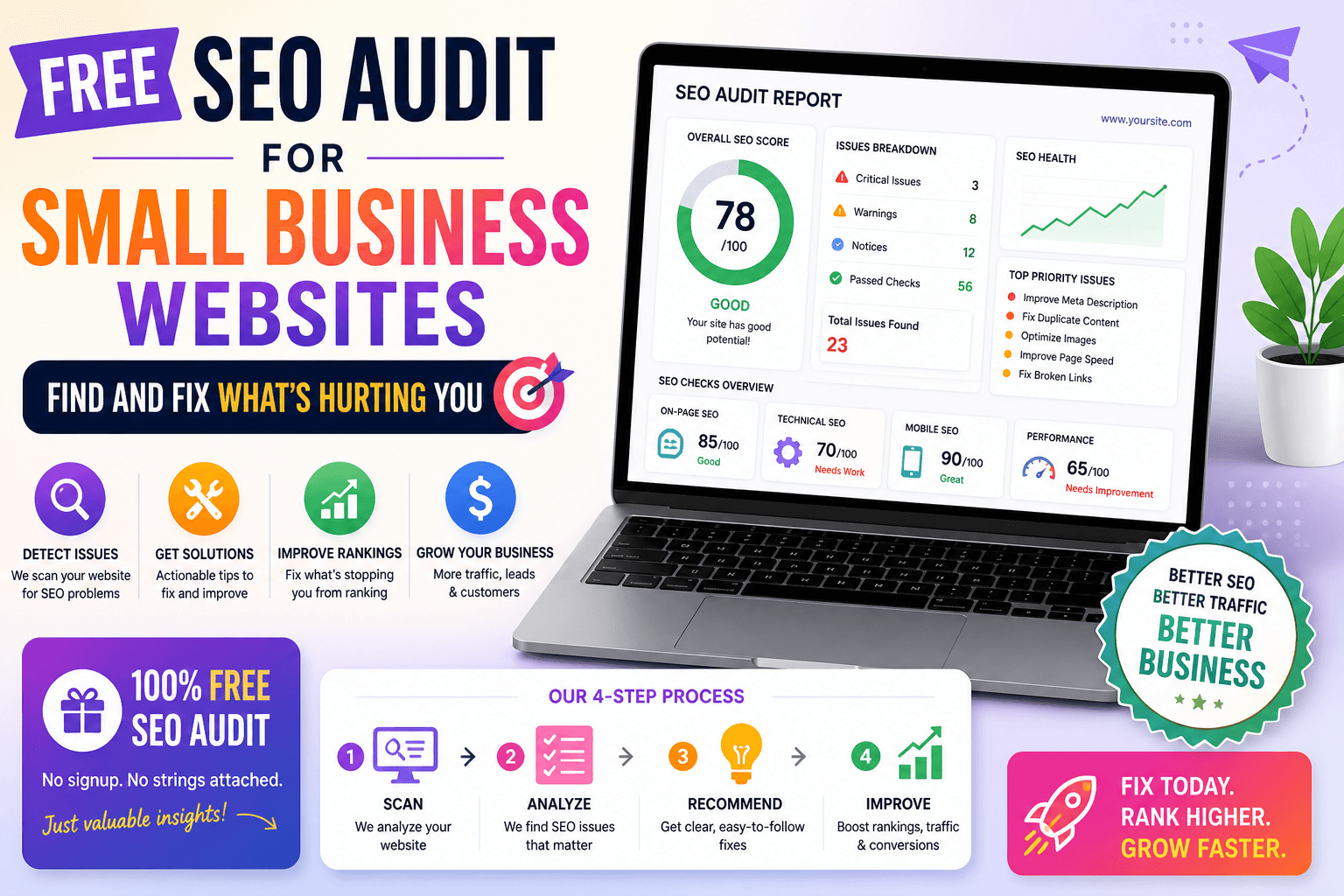
Link equity amplifies what is already there. A technically broken page or a page with weak on-page signals will not rank better just because it has more links pointing to it. Before running any link building campaign on a page, run a full SEO audit to ensure the target page is technically clean, properly optimised, and free of issues that would undermine ranking potential regardless of link acquisition.
Mistake 5: Neglecting Internal Links
Every time you build an external link to a page, that page gains authority it can then distribute to other pages through internal links. Sites that run aggressive external link campaigns but maintain poor internal link architecture waste a significant portion of the equity they're paying to earn.
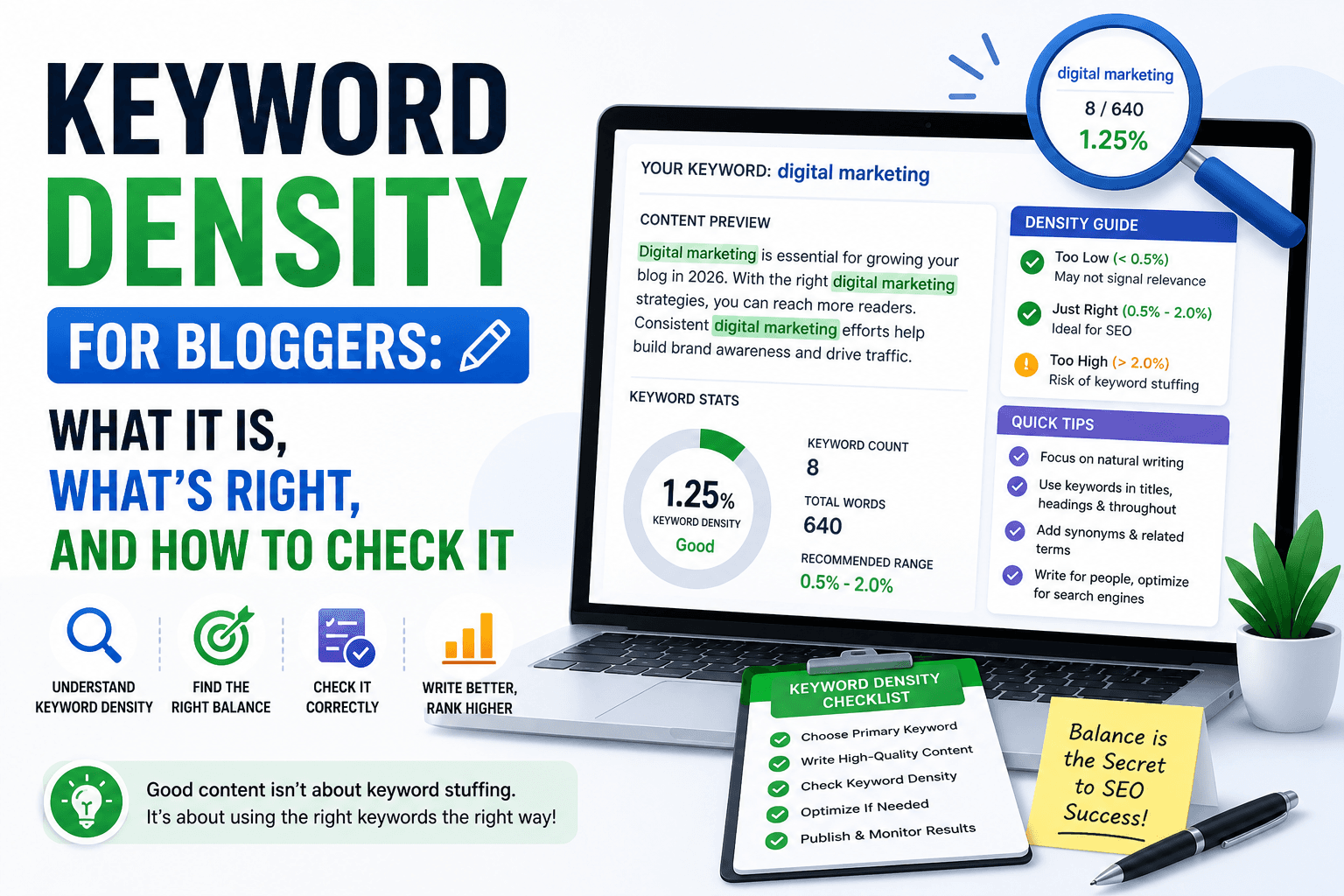
For every external link campaign you run, do a corresponding internal link audit: make sure the target page links to your most important supporting pages using descriptive anchor text. Use the keyword density tool on your most-linked pages to verify they are well-optimised for the terms they are receiving authority for.
Mistake 6: Treating Nofollow Links as Worthless
Nofollow links from major publications carry brand signal value even without direct PageRank transfer. A mention in the New York Times with a nofollow link builds brand authority, drives real traffic, and signals to Google that your site is referenced by credible sources. Dismissing nofollow opportunities from high-authority publications to chase dofollow links from mid-tier blogs is a short-term optimisation that misses the bigger picture.
Link Building Tools Compared
| Tool | Best For | Free Tier | Paid From | Standout Feature |
|---|---|---|---|---|
| Ahrefs | Backlink analysis, competitor gaps | Ahrefs Webmaster Tools (own site only) | $99/mo | Largest backlink index; freshest crawl data |
| Semrush | All-in-one SEO + built-in outreach | 10 queries/day | $119/mo | Link building module with prospect management |
| Moz Link Explorer | Domain Authority benchmarking | 10 queries/month | $99/mo | DA/PA metrics widely used in prospect scoring |
| Majestic | Topical relevance scoring | Very limited | $49/mo | Topical Trust Flow, measures niche relevance |
| BuzzStream | Outreach CRM and campaign management | No | $24/mo | Thread tracking and personalisation at scale |
| Hunter.io | Finding editor/journalist email addresses | 25 searches/month | $34/mo | Email verification built-in |
| Connectively (HARO) | Responding to journalist queries | Full free tier | $19/mo | Real-time access to active editorial queries |
| Screaming Frog | Broken link detection at scale | 500 URLs free | £199/year | Crawls any site for broken outbound links |
| Pitchbox | Enterprise-scale outreach | No | $195/mo | Automated follow-up sequences with CRM |
For sites under DR 30: Start with Ahrefs Webmaster Tools (free for your own site) + Hunter.io free tier + Connectively free tier. This stack covers backlink analysis, prospect email finding, and HARO sourcing at zero cost.
For established sites scaling link acquisition: Ahrefs (full paid) + BuzzStream or Pitchbox for outreach management. Semrush is a solid alternative if you want one platform for SEO and link building together.
How to Audit Your Backlink Profile
A backlink audit serves two purposes: catching toxic links before they accumulate into a penalty, and identifying your strongest link-earning content to inform your next campaign.
Step 1: Pull Your Referring Domain Count
Pull your full backlink report from Ahrefs, Semrush, or Google Search Console. Focus on referring domains (unique sites linking to you), not total links. One domain linking 100 times counts once for domain diversity.
Step 2: Check Your Anchor Text Distribution
A healthy profile looks roughly like:
- 40–50% branded anchors ("ToolsNest", "visit ToolsNest")
- 20–30% generic anchors ("click here", "this resource", "read more")
- 15–25% naked URLs (https://toolsnest.io/tools/seo-audit)
- 5–15% partial-match keyword anchors ("free SEO audit", "keyword density checker")
- Under 5% exact-match keyword anchors ("link building strategies 2026")
If your exact-match ratio is above 20%, you have an unnatural anchor profile worth addressing through future outreach targeting branded and generic anchors.
Step 3: Flag Toxic Links
Red flags for toxic links:
- Sites with Moz Spam Score above 30%
- Domains with unrelated content in a completely different niche or language
- Sites that are clearly thin, auto-generated, or built purely to sell links
- Domains that have disappeared from Google's index (check with
site:domain.com)
Flag these for disavowal only if you have received a manual action or have clear evidence of a negative SEO attack. Google algorithmically discounts most low-quality links. Mass-disavowing links without clear evidence of harm can remove legitimate signals accidentally.
Step 4: Find Your Best Link Magnets
Sort your backlinks by referring domain count per target page. Your most-linked pages tell you which content formats and topics your audience considers worth citing. Replicate those formats for your next campaigns.
Step 5: Close Competitor Link Gaps
Run a link gap analysis in Ahrefs or Semrush: find sites linking to two or more of your top three competitors but not to you. These are warm prospects who have already decided your topic is worth linking to. Sort by Domain Rating, filter for relevance, and add the top 50 to your next outreach list.
Pair this audit with an on-page SEO check on your highest-linked pages to ensure the pages receiving the most link equity are technically optimised and correctly set up to benefit from that authority.
FAQ
What are the best link building strategies in 2026? The highest-ROI link building strategies 2026 are: (1) digital PR and original data studies, earns editorial links from publications with no ongoing cost per link; (2) free tools that solve recurring problems and attract passive backlinks indefinitely; (3) topical authority content clusters that make your site the default citation in your niche. These three compound over time in a way that outreach-only campaigns cannot.
How long does it take for new backlinks to affect rankings? Newly discovered links typically take two to eight weeks to be processed by Google's indexer. Observable ranking improvements from a sustained link building campaign usually appear within three to six months. For highly competitive keywords or low-authority domains, 12 months of consistent link acquisition is a more realistic timeframe for meaningful movement.
How many backlinks do I actually need to rank? There is no universal number. Check the backlink profiles of the current page-one results for your specific target keyword, that is the only meaningful benchmark. A keyword with page-one results averaging 12 referring domains is very different from one where every result has 400+. Use a tool like Ahrefs to pull this data before planning any campaign.
Is guest posting still effective for link building? Selectively, yes. Templated guest posting across dozens of sites for link acquisition is a Google guideline violation with real enforcement consequences. Publishing genuinely high-quality, original content on a small number of highly relevant and editorially selective sites, where you would publish regardless of the link, remains acceptable and valuable. The key test: would you be proud of the piece if it carried your name without a link back?
What is the difference between Domain Authority and Domain Rating? Domain Authority (DA) is Moz's metric; Domain Rating (DR) is Ahrefs'. Neither is a Google metric, Google does not use DA or DR in its algorithm. Both are proxies for link profile strength, useful for estimating the likely value of a link from a given domain. They use different methodologies and produce different scores for the same domain, so compare within a single tool rather than across tools.
Can I build links without a budget? Yes. HARO (free tier) earns editorial links from real publications. Broken link building requires only your time for research and personalised outreach. Building in public, sharing real experiment results and case studies, attracts organic links from journalists and bloggers who value primary sources. The ToolsNest keyword density checker and meta tag generator are examples of free tools that earn passive backlinks purely by being genuinely useful. Zero budget, sustainable indefinitely.
What is topical authority and why does it matter for link building? Topical authority is the degree to which Google recognises your site as a comprehensive, trustworthy source on a specific subject. Sites with high topical authority in a niche rank more easily for competitive keywords in that niche, and other sites naturally cite them as the authoritative source, earning organic links without explicit outreach. Building topical authority through content clusters is the link building strategy with the most durable long-term upside.
How do I know if I have a manual penalty from link building? Open Google Search Console and navigate to Security & Manual Actions → Manual Actions. If Google has issued a penalty for unnatural links, it will appear here with a description. Manual actions are also accompanied by a notification email to the Search Console account owner. If no manual action is listed, any ranking drops are likely algorithmic, not penalty-based.
90-Day Link Building Checklist
Use this as your operating framework. One check per quarter as a full reset; the monthly tasks as your recurring system.
Month 1, Foundation
- Pull full backlink audit: referring domains, anchor text distribution, toxic link flags
- Run competitor link gap analysis: identify top 50 gap prospects by Domain Rating
- Audit your five most-linked pages with the SEO Audit Tool, fix any technical issues
- Fix internal linking on your five most-linked pages: link out to your most important supporting pages
- Sign up for Connectively (HARO), begin responding to five relevant queries per week
- Identify your one linkable asset for the quarter: data study, free tool, or definitive guide
Month 2, Build and Launch
- Publish your quarterly linkable asset
- Submit to Product Hunt if it is a tool
- Share in three to five relevant communities (Reddit, Slack groups, LinkedIn) with genuine context
- Email 20 highly relevant, personalised prospects for the new asset, no templates
- Continue weekly HARO responses
- Identify five broken link opportunities using competitor backlink analysis
Month 3, Outreach and Optimise
- Send personalised outreach to five broken link prospects
- Send one follow-up to Month 2 outreach that did not respond
- Check Google Search Console for new referring domains from Month 2 campaign
- Run an anchor text audit, check that new links have not skewed your exact-match ratio above 20%
- Review which pages earned new links, replicate that content format in your next cluster piece
- Plan next quarter's linkable asset based on what earned the most links this quarter
Free tools for every step of your link building strategy, no account required: SEO Audit Tool · Keyword Density Checker · Meta Tag Generator · Readability Checker · Sitemap Generator · Robots.txt Generator